Bathroom Waterproofing Singapore: 10 Things Every Homeowner Should Know Before Water Damage Starts
Bathrooms are one of the most heavily used spaces in any home. They deal with water every single day, and over time, even a tiny leak can turn into a serious problem. That’s why bathroom waterproofing Singapore has become one of the most important parts of home maintenance and renovation.
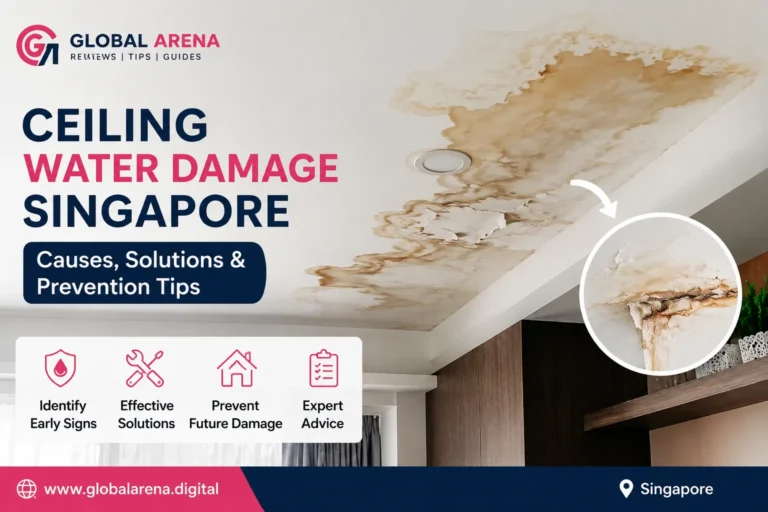
A lot of homeowners only notice a waterproofing issue after water starts leaking into the ceiling below, paint begins peeling, or mold appears on the walls. By then… repairs usually cost much more than expected.
The good news? Most of these problems can be prevented with proper bathroom waterproofing Singapore services. Whether you’re renovating an HDB flat, a condominium, or a landed property, understanding how waterproofing works helps you protect your investment for years.
Here are the most important things every homeowner should know.
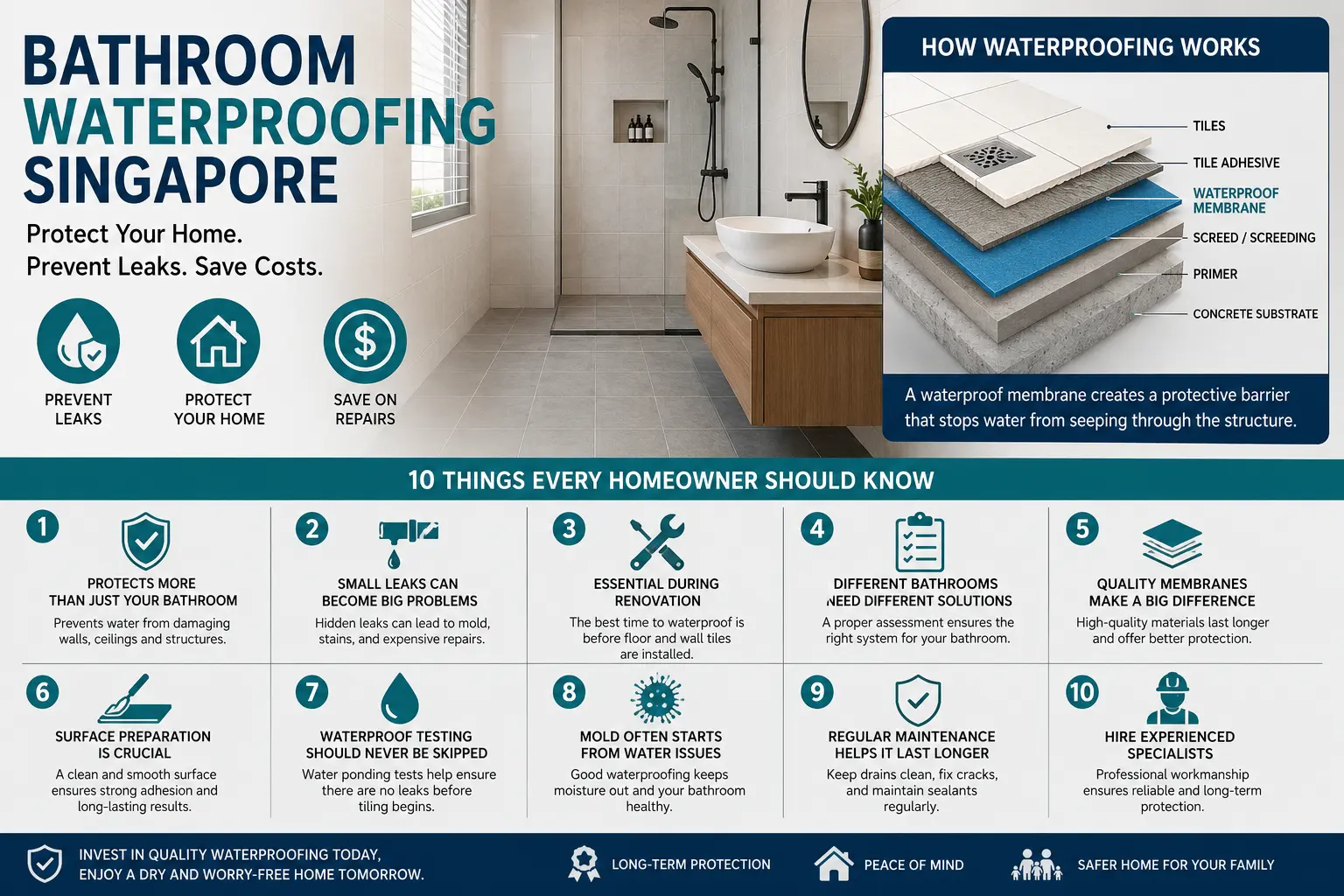
1. Bathroom Waterproofing Protects More Than Just Your Bathroom
Many people think waterproofing is only about stopping water from leaking through the floor. It actually does much more.
Professional bathroom waterproofing Singapore creates a protective barrier beneath your tiles that keeps moisture from entering concrete slabs and surrounding walls. Without this barrier, water slowly travels through tiny cracks and weak spots.
And that’s when problems begin.
Water can damage neighboring rooms, weaken structures over time, stain ceilings downstairs, and even create electrical risks in some situations.
A good waterproofing system protects the entire property—not only the bathroom itself.
2. Small Leaks Usually Become Expensive Repairs
A dripping shower area might not seem urgent today.
But give it a few months…
Moisture keeps spreading underneath the tiles where you can’t even see it.
Eventually you may notice:
- Ceiling stains
- Loose floor tiles
- Mold growth
- Damp walls
- Peeling paint
- Musty smells
Proper bathroom waterproofing Singapore helps stop these hidden problems before they become major renovation projects.
3. Waterproofing Is Essential During Bathroom Renovation
If you’re already renovating your bathroom, this is the perfect time to install a complete waterproofing system.
Replacing waterproofing later usually means removing floor tiles again—which increases labour costs and extends renovation time.
Most renovation professionals recommend completing bathroom waterproofing Singapore before laying any floor or wall tiles.
It’s one step that saves a lot of money later.
4. Different Bathrooms Need Different Waterproofing Solutions
Not every bathroom has the same requirements.
A family bathroom used several times a day experiences much more moisture than a guest bathroom.
Likewise, bathrooms in older HDB flats often require additional waterproofing because the original membrane may have deteriorated over time.
Professional bathroom waterproofing Singapore contractors inspect the condition of the bathroom before recommending the most suitable waterproofing system.
That customized approach usually delivers longer-lasting protection.
5. High-Quality Waterproof Membranes Make a Big Difference
The waterproof membrane is the heart of the entire system.
It creates an invisible protective layer underneath your tiles and around wet areas.
Lower-quality materials may crack, shrink, or lose flexibility after several years.
Premium waterproof membranes remain flexible, allowing them to handle small building movements without breaking.
And yes… the material quality often determines how long your waterproofing lasts.
Choosing experienced bathroom waterproofing Singapore specialists ensures quality products are used from the beginning.
6. Proper Surface Preparation Is Just as Important
Many people focus only on the waterproof coating.
But surface preparation matters just as much.
Before applying any waterproof membrane, professionals usually:
- Clean the surface thoroughly
- Repair existing cracks
- Remove loose materials
- Smooth uneven areas
- Prepare corners and joints carefully
Skipping these steps can reduce the effectiveness of even the best waterproofing products.
Reliable bathroom waterproofing Singapore contractors never rush this process.
7. Waterproof Testing Should Never Be Skipped
After waterproofing is completed, testing becomes one of the most important stages.
A water ponding test is commonly performed by filling the bathroom floor with water for an extended period.
If the waterproofing works correctly, no leakage should appear underneath or around surrounding areas.
This simple test provides peace of mind before tiles are permanently installed.
Professional bathroom waterproofing Singapore services always include proper testing whenever possible.
8. Mold Often Starts Because of Waterproofing Problems
Many homeowners clean mold repeatedly without fixing the real cause.
The moisture keeps returning.
Poor waterproofing allows water to remain trapped behind tiles and inside walls, creating the perfect environment for mold growth.
Once mold spreads, indoor air quality can also be affected.
Proper bathroom waterproofing Singapore reduces moisture buildup and helps create a healthier bathroom environment for the entire family.
It’s prevention instead of constant cleaning.
9. Regular Bathroom Maintenance Helps Waterproofing Last Longer
Even excellent waterproofing isn’t completely maintenance-free.
Simple habits can extend its lifespan significantly.
Some useful maintenance tips include:
- Repair leaking taps quickly.
- Replace damaged grout when necessary.
- Keep floor drains clean.
- Check silicone sealants regularly.
- Fix cracked tiles immediately.
- Improve bathroom ventilation.
These small steps help protect your bathroom waterproofing Singapore system for many years.
And honestly… they only take a little effort.
10. Hiring Experienced Waterproofing Specialists Is Worth It
Waterproofing isn’t something most homeowners should attempt as a DIY project.
Missing one corner.
Applying uneven coating.
Using unsuitable materials.
Any of these mistakes may result in hidden leaks that only appear months later.
Experienced bathroom waterproofing Singapore professionals understand local building conditions, humidity levels, waterproofing standards, and the correct installation process.
A properly completed waterproofing project may protect your home for well over a decade with normal maintenance.
That’s a worthwhile investment.
How to Know Your Bathroom May Need Waterproofing
You don’t always need obvious water dripping from the ceiling before taking action.
Watch for signs like:
- Persistent damp smells
- Mold returning repeatedly
- Cracked grout lines
- Hollow or loose floor tiles
- Water stains outside the bathroom
- Bubbling paint
- Damp walls near the shower
- Slow moisture buildup around skirting boards
If you notice several of these issues, arranging a professional inspection is usually the safest option.
Why Bathroom Waterproofing Matters in Singapore
Singapore’s tropical weather creates constant humidity throughout the year.
Bathrooms stay damp longer after showers, making moisture control especially important.
Whether you own an HDB flat, condominium, or landed property, bathroom waterproofing Singapore plays a major role in preventing water damage, protecting property value, and reducing expensive repairs in the future.
Many homeowners don’t think about waterproofing until something goes wrong.
But prevention almost always costs less than restoration.
Final Thoughts
Water damage rarely happens overnight. It builds slowly, often hidden beneath tiles or inside walls where no one notices until repairs become unavoidable. Investing in proper bathroom waterproofing Singapore helps prevent leaks, mold, structural damage, and unnecessary renovation costs. Whether you’re planning a complete bathroom upgrade or simply maintaining your current home, quality waterproofing is one of the smartest long-term decisions you can make. A dry bathroom isn’t just more comfortable—it protects your entire property for years to come.
How long does bathroom waterproofing last?
A professionally installed waterproofing system can typically last between 10 and 20 years, depending on the materials used, installation quality, and regular maintenance.
Is bathroom waterproofing necessary for every renovation?
Yes. Most renovation professionals recommend installing new waterproofing whenever bathroom floor tiles are removed during renovation.
Can waterproofing be done without removing tiles?
Some minor waterproofing treatments can be applied over existing surfaces, but severe leakage problems usually require removing tiles and installing a new waterproof membrane.
How can I tell if my bathroom waterproofing has failed?
Common signs include leaking ceilings, damp walls, peeling paint, recurring mold, loose tiles, and water stains outside the bathroom.
Does waterproofing increase property value?
Indirectly, yes. A properly waterproofed bathroom reduces future maintenance costs, prevents structural damage, and makes the property more attractive to potential buyers.