Roof Waterproofing Singapore: Smart Ways to Protect Your Home from Leaks
Roof waterproofing Singapore is one of the most important investments you can make if you own a property. Singapore’s weather is unpredictable. One day it’s bright and sunny, and the next, heavy rain pours for hours. Over time, that constant exposure to heat, humidity, and rainfall slowly damages roofs if they aren’t properly protected.
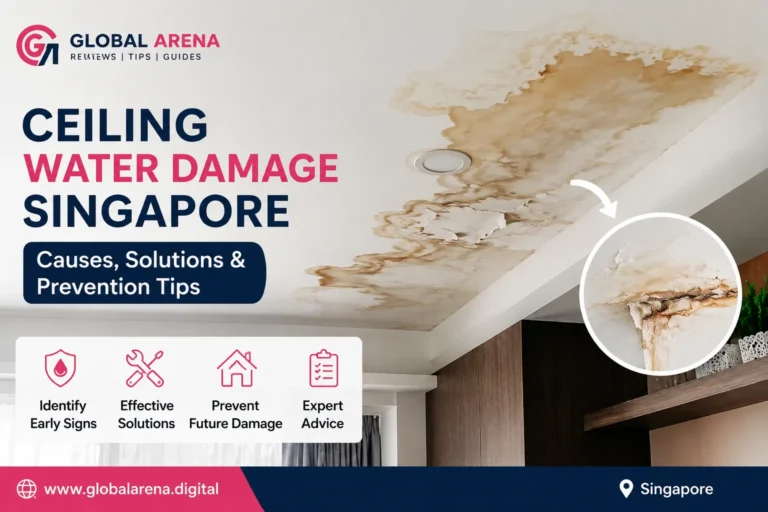
A tiny crack might not seem like a big problem today. But leave it for a few months… and it can turn into water stains, mold, damaged ceilings, peeling paint, and expensive repairs.
That’s why many homeowners and businesses are paying more attention to roof waterproofing Singapore before leaks even appear.
Why Roof Waterproofing Matters in Singapore
Singapore receives heavy rainfall throughout the year. Flat roofs, concrete roofs, terraces, balconies, and rooftops are constantly exposed to moisture.
Without proper roof waterproofing Singapore, water slowly finds its way through tiny gaps that aren’t even visible to the eye.
Common problems include:
- Ceiling water stains
- Damp walls
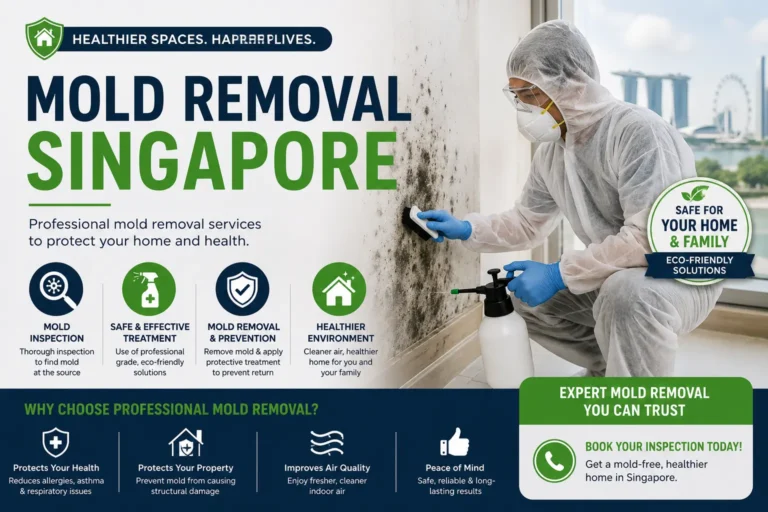
- Mold growth
- Concrete cracks
- Rusted steel reinforcement
- Paint peeling
- Higher repair costs later
Preventive waterproofing is almost always cheaper than repairing major water damage.
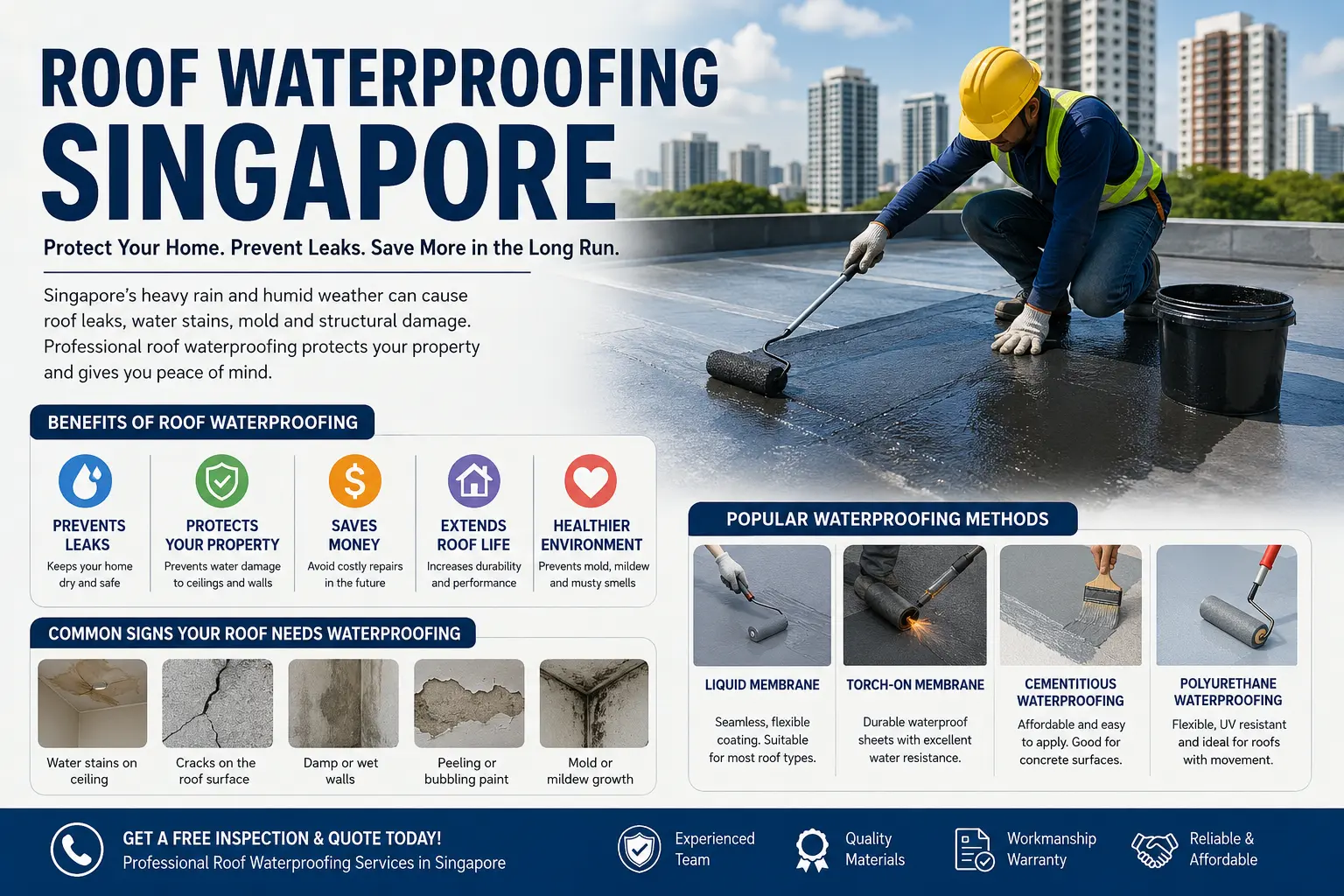
Signs Your Roof Needs Waterproofing
Not every roof leaks immediately. Sometimes the warning signs appear slowly.
Watch out for these issues:
Water Marks on the Ceiling
Brown or yellow stains often mean water is already entering through the roof.
Cracks on the Roof Surface
Even small hairline cracks allow rainwater to seep inside.
Damp Walls
If walls near the roof remain damp even after sunny weather, waterproofing may have failed.
Peeling Paint
Moisture trapped inside walls causes paint to bubble and peel.
Mold or Mildew
Black spots and mold usually indicate ongoing moisture problems.
If you notice any of these signs, roof waterproofing Singapore should not be delayed.
Different Roof Waterproofing Methods
Not every roof uses the same waterproofing system. The best solution depends on the roof type, age, and condition.
Liquid Waterproofing Membrane
A liquid coating is applied directly to the roof surface.
Advantages:
- Seamless finish
- Flexible after curing
- Suitable for concrete roofs
- Easy maintenance
This is one of the most common roof waterproofing Singapore solutions.
Torch-On Membrane
This method uses thick waterproof sheets that are heated and bonded to the roof.
Benefits include:
- Excellent waterproof protection
- Long lifespan
- Strong resistance to heavy rainfall
- Suitable for large flat roofs
Cementitious Waterproofing
Often used on balconies, terraces, and concrete roofs.
It offers:
- Good water resistance
- Easy application
- Affordable pricing
Polyurethane Waterproofing
Polyurethane coatings create a flexible waterproof layer.
They’re ideal for roofs that experience movement caused by temperature changes.
Roof Types That Need Waterproofing
Roof waterproofing Singapore isn’t limited to landed homes.
Many different buildings benefit from waterproof protection.
These include:
- Landed houses
- Terrace houses
- Semi-detached homes
- Bungalows
- Commercial buildings
- Industrial factories
- Warehouses
- Apartment rooftops
- HDB top-floor units
- Roof gardens
Every roof faces weather exposure differently, so choosing the correct waterproofing system matters.
What Happens During Roof Waterproofing?
Most professional contractors follow a step-by-step process.
Roof Inspection
The roof is checked for cracks, loose tiles, damaged concrete, and water entry points.
Surface Cleaning
Dust, dirt, algae, moss, and loose materials are removed.
A clean surface helps waterproof coatings bond properly.
Crack Repairs
Any visible cracks or damaged areas are repaired before waterproofing begins.
Skipping this step reduces the lifespan of the waterproofing system.
Waterproof Membrane Installation
The chosen waterproofing material is applied carefully.
Several layers may be needed depending on the product.
Water Ponding Test
Many contractors perform a water test to ensure there are no leaks before completing the project.
How Long Does Roof Waterproofing Last?
This depends on several factors.
Including:
- Waterproofing material used
- Roof condition
- Installation quality
- Weather exposure
- Maintenance
Generally, professional roof waterproofing Singapore systems can last anywhere between 5 and 15 years.
Regular inspections help extend that lifespan even further.
Benefits of Roof Waterproofing
Many homeowners think waterproofing is only about stopping leaks.
Actually… it offers much more.
Protects Your Property
Water damage affects ceilings, flooring, furniture, electrical systems, and walls.
Saves Money
Small waterproofing jobs cost much less than major roof repairs.
Prevents Mold
Dry buildings are healthier for families and office workers.
Extends Roof Life
Proper waterproofing reduces weather damage over the years.
Improves Property Value
A well-maintained roof gives buyers greater confidence when purchasing a property.
Choosing the Right Roof Waterproofing Contractor
Not every contractor delivers the same quality.
Before hiring someone, consider these points.
Look for:
- Experience in roof waterproofing Singapore
- Good customer reviews
- Warranty on workmanship
- Clear quotation
- Proper inspection before pricing
- High-quality waterproof materials
A professional contractor will explain the suitable waterproofing system instead of recommending the same solution for every roof.
Roof Maintenance Tips After Waterproofing
Even after waterproofing, maintenance remains important.
Simple habits can make a big difference.
Try these tips:
- Inspect the roof every year.
- Remove leaves and debris regularly.
- Keep drainage outlets clear.
- Repair small cracks early.
- Trim nearby tree branches.
- Schedule professional inspections every few years.
These small steps help your roof waterproofing Singapore system last much longer.
Common Causes of Roof Leaks
Understanding what causes roof leaks can help prevent future problems.
Some common reasons include:
- Ageing waterproof membranes
- Poor installation
- Blocked drainage systems
- Heavy rainfall
- UV damage
- Cracked concrete
- Structural movement
- Damaged roof tiles
Addressing these issues early keeps repair costs low.
Is Roof Waterproofing Worth It?
Absolutely.
Many property owners wait until water starts dripping through the ceiling before taking action.
By then, repairs become much more expensive.
Roof waterproofing Singapore protects the structure before serious damage develops. It keeps homes dry, reduces maintenance costs, and provides peace of mind during Singapore’s rainy seasons.
It’s one of those upgrades you rarely think about after it’s done—but you’ll definitely appreciate it when the next heavy storm arrives.
Final Thoughts
Roof waterproofing Singapore isn’t just another home improvement project. It’s long-term protection for one of the most important parts of your property.
Whether you own a landed home, commercial building, warehouse, or apartment, investing in professional waterproofing helps prevent leaks, mold, structural damage, and unnecessary repair bills.
Regular inspections, proper maintenance, and choosing the right waterproofing system can keep your roof performing well for many years. A small investment today often saves thousands in future repairs.
Frequently Asked Questions
How often should roof waterproofing be done in Singapore?
Most waterproofing systems last between 5 and 15 years, depending on the material used, weather exposure, and maintenance.
Can roof waterproofing stop existing leaks?
Yes. Professional contractors usually repair cracks and damaged areas before applying a waterproof membrane to stop water penetration.
Which waterproofing method is best?
There isn’t one solution for every roof. Liquid membranes, torch-on membranes, polyurethane coatings, and cementitious waterproofing are all suitable for different roof types.
Is roof waterproofing expensive?
The cost depends on the roof size, condition, and waterproofing system chosen. Preventive waterproofing is generally much cheaper than repairing severe water damage.
Can waterproofing be applied during rainy weather?
Most waterproofing products require a dry surface for proper installation. Contractors usually schedule work during suitable weather conditions.