Mold Removal Singapore: 10 Essential Things Every Homeowner Should Know
If you’ve spotted black patches on your walls or noticed a musty smell that just won’t go away, you’re probably dealing with mold. And honestly… you’re not alone.
In Singapore’s hot and humid climate, mold removal singapore growth is incredibly common. High humidity, frequent rainfall, and limited ventilation create the perfect environment for spores to thrive. What begins as a tiny spot behind a cabinet can spread surprisingly fast.
That’s why mold removal Singapore services have become increasingly important for homeowners, landlords, offices, and commercial buildings. The goal isn’t simply making walls look clean again—it’s removing mold removal singapore properly while preventing it from returning.
Let’s look at everything you need to know.
1. Why Mold Is So Common in Singapore
Singapore experiences humidity levels that often stay above 80%. That’s excellent for tropical plants—but not so great for your walls.
mold removal singapore grows whenever moisture stays trapped for long periods. Common causes include:
- Poor ventilation
- Air-conditioning condensation
- Roof leaks
- Plumbing leaks
- Damp bathrooms
- Wet kitchens
- Water seepage
- Drying clothes indoors
Even apartments that appear perfectly clean can develop mold if moisture isn’t controlled.
And sometimes the problem hides behind wallpaper, furniture, wardrobes, or false ceilings.
2. Signs You Need Professional Mold Removal
Many people wait until mold removal singapore becomes obvious.
That’s usually a mistake.
Watch for these warning signs:
- Black, green, or white patches on walls
- Bubbling or peeling paint
- Persistent musty odors
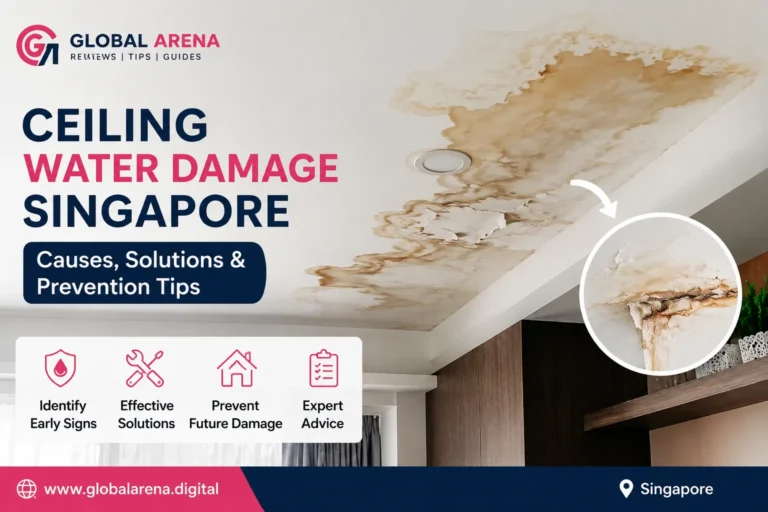
- Water stains
- Damp ceilings
- Mold around windows
- Dark bathroom grout
- Recurring mold removal singapore after cleaning
If mold keeps coming back despite repeated cleaning, the root cause hasn’t been solved.
Professional mold removal Singapore specialists inspect the moisture source before treating affected areas.
3. Why Household Cleaners Usually Don’t Work
A lot of homeowners reach for bleach.
It looks like the mold removal singapore disappears…
But the problem often returns within weeks.
That’s because bleach mainly removes surface stains. Mold roots can penetrate porous materials like drywall, plaster, wood, and ceiling boards.
Professional mold treatment typically involves:
- Moisture inspection
- Surface cleaning
- Deep mold removal
- Anti-fungal treatment
- Disinfection
- Protective coating where appropriate
- Recommendations to prevent future growth
Removing visible mold without fixing moisture is only a temporary solution.
4. Health Risks Associated With Mold
Not everyone reacts to mold the same way.
Some people barely notice it.
Others develop ongoing symptoms, especially children, elderly family members, or people with allergies.
Possible effects include:
- Sneezing
- Nasal congestion
- Skin irritation
- Itchy eyes
- Persistent coughing
- Asthma flare-ups
- Headaches
- Respiratory discomfort
Even if symptoms seem mild, living with mold for months isn’t ideal.
A healthier indoor environment starts with eliminating excess moisture and removing contamination properly.
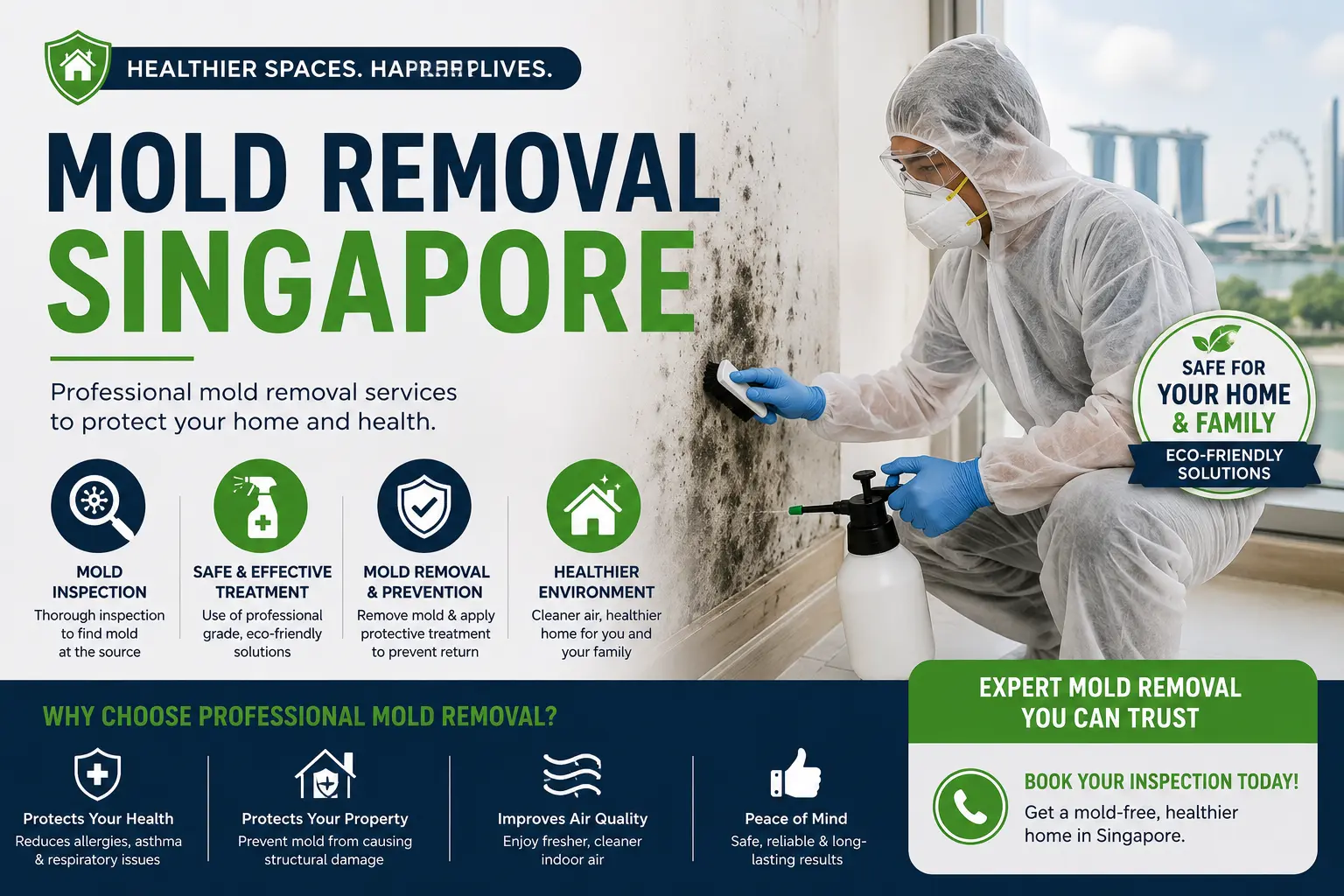
5. What Happens During Professional Mold Removal
Many homeowners wonder what actually happens during a mold removal singapore appointment.
A reputable service generally follows several steps.
Inspection
Technicians inspect affected areas to identify visible and hidden mold.
Moisture Detection
They locate leaks or damp areas causing mold growth.
Containment
If necessary, contaminated sections are isolated to reduce the spread of spores.
Mold Treatment
Professional cleaning agents remove mold colonies while disinfecting surfaces.
Drying
The affected area is dried thoroughly to reduce future growth.
Prevention Advice
You’ll receive recommendations for improving ventilation and controlling humidity.
Some situations require additional repairs if water damage is severe.
6. Areas Most Frequently Affected
In Singapore homes, mold doesn’t appear randomly.
It usually develops in moisture-prone areas like:
- Bathrooms
- Kitchens
- Bedrooms with poor airflow
- Air-conditioning units
- Ceiling corners
- Window frames
- Behind wardrobes
- Laundry rooms
- Storerooms
- False ceilings
Furniture placed tightly against walls can also trap humidity.
Moving large furniture slightly away from walls helps improve airflow.
Small change. Big difference.
7. How to Prevent Mold From Returning
Removing mold is only half the job.
Keeping it away matters just as much.
Here are simple habits that make a noticeable difference:
- Open windows whenever weather allows.
- Run exhaust fans after showering.
- Fix plumbing leaks quickly.
- Service air-conditioners regularly.
- Use a dehumidifier during humid periods.
- Wipe condensation from windows.
- Avoid drying clothes indoors whenever possible.
- Keep wardrobes ventilated.
- Clean bathrooms regularly.
- Don’t block air vents with furniture.
Prevention costs far less than repeated mold treatments.
8. When DIY Mold Removal Is Enough
Small mold patches—less than about the size of an A4 sheet—may sometimes be handled safely.
DIY cleaning may work if:
- Mold is very limited
- The moisture source has been fixed
- The surface is non-porous
- No family member has respiratory conditions
Wear gloves and a mask while cleaning.
But if mold spreads across multiple rooms, keeps returning, or appears after flooding, professional mold removal Singapore services are usually the safer option.
9. Choosing the Right Mold Removal Company
Not every cleaning company specializes in mold removal singapore remediation.
Before hiring, look for companies that offer:
- Detailed inspections
- Transparent pricing
- Experienced technicians
- Anti-fungal treatment
- Moisture source identification
- Safe cleaning products
- Warranty where available
- Positive customer reviews
A good contractor explains the cause—not just the cleaning process.
That’s often the difference between a lasting solution and another mold outbreak a few months later.
10. Is Professional Mold Removal Worth It?
For many homeowners, yes.
Repeated DIY cleaning can become frustrating when mold keeps coming back.
Professional treatment addresses both the visible growth and the underlying moisture issues. That helps protect walls, ceilings, furniture, and indoor air quality over the long term.
Whether you own an HDB flat, condominium, landed property, office, or retail space, investing in proper mold removal Singapore services can reduce maintenance costs and create a healthier living environment.
Sometimes waiting actually makes repairs more expensive.
Early action usually saves both time and money.
Final Thoughts
Mold is one of those household problems that’s easy to ignore—until it isn’t.
A small patch today can become a much larger issue if moisture continues to build up behind walls or inside ceilings. Thankfully, professional mold removal Singapore services combine thorough inspection, effective treatment, and practical prevention strategies to stop mold removal singapore at its source.
The best approach isn’t just cleaning what you can see. It’s understanding why mold appeared in the first place and making sure the conditions that allowed it to grow are corrected. With regular maintenance, good ventilation, and prompt attention to leaks or dampness, you can keep your home cleaner, healthier, and far more comfortable throughout Singapore’s humid climate.