Bathroom Plumbing Problems: 10 Common Issues and How to Fix Them Before
A bathroom should be one of the most reliable rooms in your home. You turn on the faucet, flush the toilet, take a shower, and everything just… works. At least, that’s the idea.
But bathroom plumbing problems have a habit of showing up at the worst possible time. A dripping faucet can keep you awake. A clogged toilet can ruin your morning. And a hidden leak? That one can quietly damage walls and floors before you even notice.
The good news is that many bathroom plumbing issues start with small warning signs. Catch them early, and you’ll often avoid expensive repairs later. Let’s look at the most common problems homeowners face and what you can do about them.
1. Dripping Faucets
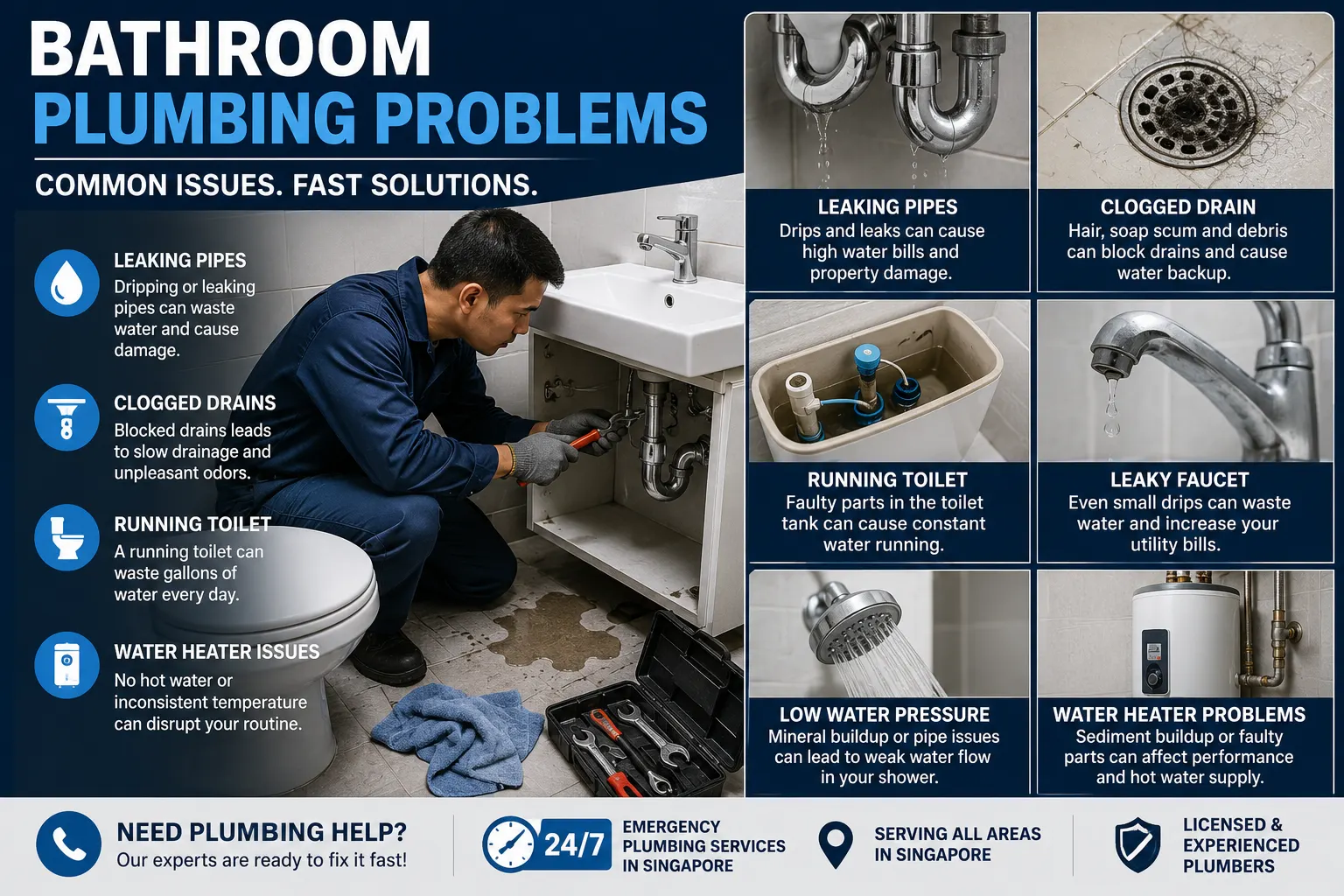
A dripping faucet may seem harmless, but those tiny drops add up surprisingly fast. Besides wasting water, constant dripping can increase your monthly utility bill.
Common causes include:
- Worn-out washers
- Damaged O-rings
- Corroded valve seats
- Loose internal components
Sometimes replacing a simple washer solves the problem. Older faucets, though, may need a complete cartridge replacement.
If the dripping continues after repairs, it could point to higher water pressure or internal valve damage.
2. Clogged Bathroom Sink
Hair, soap residue, toothpaste, shaving cream, and even small jewelry pieces eventually collect inside the drain.
Typical warning signs include:
- Water draining slowly
- Standing water in the sink
- Gurgling sounds
- Unpleasant odors
A drain snake often clears hair clogs without damaging pipes. Chemical drain cleaners might seem convenient, but repeated use can shorten the life of your plumbing.
And honestly… prevention works better than cleanup. Installing a simple drain screen catches most debris before it enters the pipe.
3. Running Toilet
A toilet that keeps running wastes hundreds of gallons of water over time.
Usually, the problem comes from:
- A worn flapper
- Faulty fill valve
- Improper float adjustment
- Mineral buildup
Fortunately, toilet repair kits are inexpensive and available at most hardware stores.
If replacing the internal components doesn’t help, the toilet may have hidden cracks or issues with the water supply line.
4. Low Water Pressure
Nothing ruins a relaxing shower faster than weak water pressure.
Several factors can cause this issue:
- Mineral deposits inside showerheads
- Pipe corrosion
- Partially closed shut-off valves
- Hidden water leaks
Removing and soaking the showerhead in vinegar often dissolves mineral buildup.
But if every fixture in the bathroom has low pressure, the issue may be deeper within your home’s plumbing system.
5. Leaking Toilet Base
Water around the base of your toilet isn’t normal.
The most common culprit is a damaged wax ring that seals the toilet to the drain pipe.
Other possible causes include:
- Loose mounting bolts
- Cracked toilet base
- Condensation mistaken for leaks
Even a small leak can damage flooring, weaken subfloors, and encourage mold growth if ignored.
Replacing the wax ring usually resolves the issue before serious damage occurs.
6. Slow Shower Drain
Hair is easily the biggest reason shower drains clog.
Soap scum, shampoo residue, and hard water minerals gradually narrow the pipe until water starts pooling around your feet.
To reduce buildup:
- Remove visible hair regularly.
- Use a drain cover.
- Flush the drain with hot water weekly.
- Avoid washing excessive debris down the drain.
If water still drains slowly after cleaning, deeper blockages may require professional equipment.
7. Leaky Pipes Under the Sink
Cabinets often hide plumbing leaks for weeks—or even months.
Look for signs such as:
- Damp cabinet floors
- Musty smells
- Water stains
- Swollen wood
- Mold growth
Leaks commonly occur at pipe joints, shut-off valves, or flexible supply lines.
Small leaks may only require tightening a fitting. Larger leaks often need replacement parts to prevent recurring problems.
8. Bad Bathroom Odors
Not every unpleasant smell comes from poor cleaning.
Sometimes plumbing is responsible.
Possible causes include:
- Dry P-traps
- Sewer gas leaks
- Drain buildup
- Blocked vent pipes
Running water into infrequently used sinks restores the water seal inside the P-trap.
Persistent sewer odors should never be ignored because they may indicate damaged pipes or venting issues.
9. Noisy Pipes
Have you ever heard banging or rattling after turning off a faucet?
That’s often called a water hammer.
It happens when moving water suddenly stops, creating pressure waves inside the plumbing.
Other noises may come from:
- Loose pipe supports
- High water pressure
- Air trapped in pipes
Installing water hammer arrestors or securing loose pipes usually reduces the noise.
And yes… those loud bangs can eventually damage plumbing if left untreated.
10. Hidden Water Leaks
Some of the most expensive bathroom plumbing problems stay completely out of sight.
Hidden leaks often develop behind walls, beneath floors, or inside ceilings.
Watch for:
- Unexpectedly high water bills
- Mold growth
- Soft drywall
- Peeling paint
- Warm or damp spots on floors
Modern leak detection equipment allows plumbers to locate hidden leaks without tearing apart entire walls.
The earlier they’re found, the less damage they’ll cause.
How to Prevent Bathroom Plumbing Problems
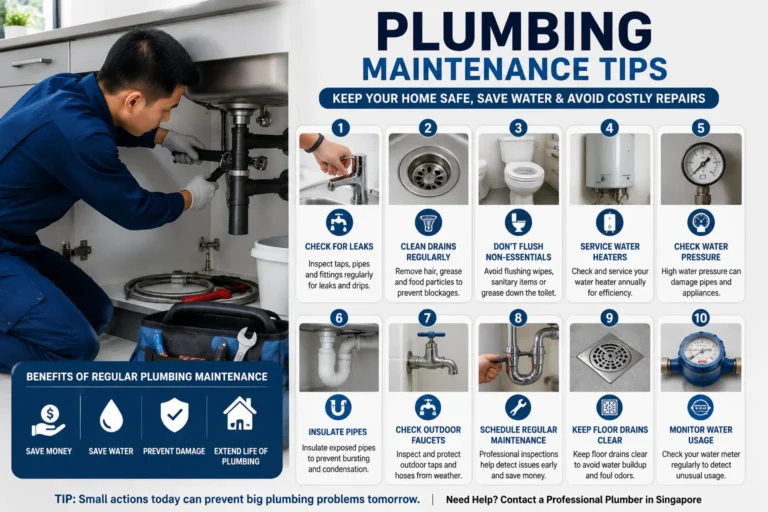
Regular maintenance makes a huge difference.
Here are a few simple habits worth keeping:
- Clean sink and shower drains monthly.
- Check under sinks for moisture.
- Replace worn faucet washers early.
- Avoid flushing wipes, paper towels, or hygiene products.
- Install hair catchers in drains.
- Watch your water bill for unusual increases.
- Fix small leaks immediately.
- Schedule plumbing inspections every few years.
None of these tasks takes much time, but together they can save hundreds—or even thousands—of dollars.
When Should You Call a Professional Plumber?
Some repairs are perfectly manageable for DIY homeowners.
Others really aren’t.
It’s time to contact a licensed plumber if you notice:
- Repeated drain clogs
- Sewage backups
- Water stains spreading across ceilings or walls
- Burst pipes
- Low pressure throughout the home
- Persistent leaks after attempted repairs
- Strange pipe noises that continue
Professional plumbers have specialized tools for inspections, leak detection, pipe repairs, and drain cleaning that simply aren’t available in most households.
Trying to force a repair can sometimes make the situation much worse.
Final Thoughts
Every homeowner deals with bathroom plumbing problems sooner or later. Some are little annoyances. Others can become major repairs if ignored for too long.
Pay attention to small warning signs like dripping faucets, slow drains, running toilets, and hidden leaks. They’re often telling you something important.
A little maintenance goes a long way. Clean drains regularly, inspect your plumbing every few months, and fix minor issues before they become expensive emergencies. Your bathroom—and your wallet—will thank you.