Flooring Maintenance Guide for Singapore Homes: Easy Care Tips
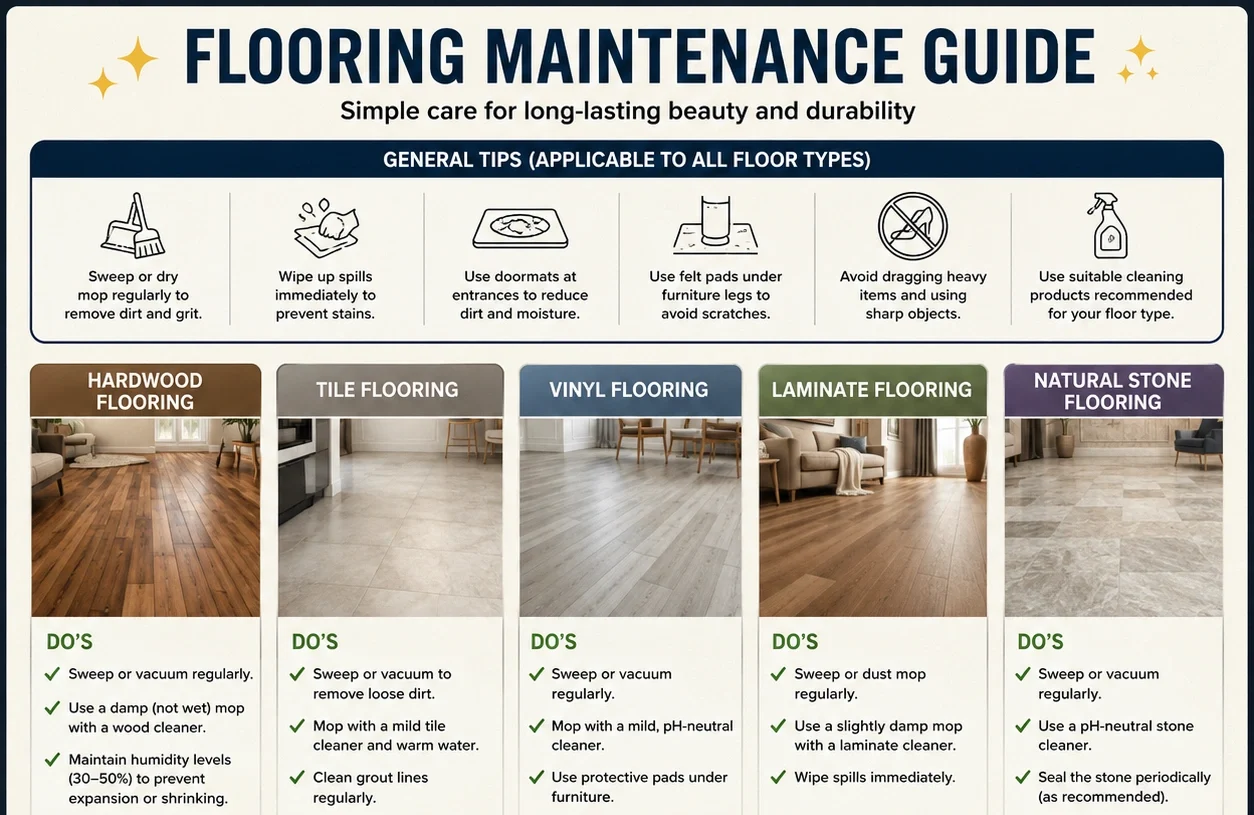
Flooring takes plenty of daily use, from morning foot traffic to furniture movement, food spills and dust brought in from outside. A good Flooring Maintenance Guide helps homeowners understand what their floors need to stay clean, comfortable and in good condition for longer. Floor maintenance is not just about sweeping and mopping. It also includes stain removal, scratch prevention, moisture control and choosing suitable cleaning products.
For Singapore homes, floor care can vary depending on the property and flooring material. HDB flats, BTO apartments, condominiums and landed properties may have vinyl, SPC, laminate, parquet, engineered wood or tile flooring. Each material reacts differently to water, dirt, cleaning products and everyday wear.
A simple floor care routine can prevent many common problems. Removing dust regularly, wiping spills quickly, protecting furniture contact points and using the right cleaning method can make everyday floor maintenance much easier. The right approach also depends on the room, traffic level and type of flooring installed.
What Is Flooring Maintenance?
Flooring maintenance means the regular care used to keep a floor clean, protected and in good condition. It includes simple tasks such as removing dust, cleaning spills, checking for scratches, controlling moisture and dealing with small signs of damage before they become harder to fix. The exact routine depends on whether the home has vinyl, SPC, laminate, parquet, engineered wood or tiles.

What is floor maintenance?
Floor maintenance is the routine of cleaning, protecting and checking flooring to reduce dirt, stains, scratches, moisture damage and everyday wear. It combines regular cleaning with occasional deeper care and basic protection measures.
Cleaning vs Maintenance: What Is the Difference?
Floor cleaning mainly deals with visible dirt and marks. Sweeping, vacuuming and mopping remove dust, food particles, mud and surface stains.
Floor maintenance goes a step further. It looks at the condition of the floor and the habits that affect it over time. Using furniture pads, cleaning spills quickly, checking joints and choosing suitable cleaning products are all part of floor maintenance.
Regular Cleaning vs Deep Cleaning
Regular cleaning is part of the normal floor care routine. It may include daily sweeping, vacuuming and weekly damp mopping, depending on the room and flooring type.
Deep cleaning is less frequent. It focuses on areas that normal cleaning may miss, such as corners, spaces under furniture, grout lines and stubborn stains. The method should always match the flooring material.
Why Floor Protection Matters
Floor protection can prevent many types of avoidable damage. Entrance mats can reduce grit, furniture pads can limit scratches, and quick spill removal can reduce staining and water-related problems.
Good floor protection is especially useful in high-traffic areas where small amounts of wear happen repeatedly.
How Maintenance Affects Flooring Lifespan
A neglected floor can develop surface wear, stains, scratches or moisture problems faster than a well-maintained one. Regular cleaning removes abrasive dirt, while careful furniture use and moisture control reduce unnecessary stress on the surface.
Maintenance cannot prevent every type of damage, but it can help flooring stay cleaner and usable for longer. It also gives homeowners a chance to spot loose boards, cracked tiles, damaged grout or other problems before they spread.
Why Regular Floor Maintenance Matters in Singapore Homes
Singapore homes deal with dust, grit, spills and daily foot traffic. Furniture movement can also leave marks, especially in busy areas such as living rooms, dining spaces, kitchens and entrances.
The local climate brings another factor: moisture and humidity. Rainy weather and wet footwear can bring water indoors, while excess moisture may cause problems for flooring materials that are more sensitive to water.
A regular floor care routine keeps everyday dirt under control and gives you a chance to notice scratches, stains or other damage early.
Key benefits of regular floor maintenance include:
- Less surface wear: Removing dust and grit regularly reduces the rubbing that can gradually affect the floor surface.
- Fewer stains: Quick action on coffee, food, oil and drink spills makes stubborn floor stains less likely.
- Better appearance: Clean floors keep living areas looking fresh without requiring constant deep cleaning.
- Lower water damage risk: Proper moisture control helps protect flooring from standing water and dampness.
- Longer flooring lifespan: Consistent care can reduce avoidable wear and help flooring stay usable for longer.
Flooring Maintenance Guide for Different Floor Types
Each flooring material needs a slightly different care routine. Vinyl and SPC are easy to clean, while laminate and wood flooring need more control over moisture.
Vinyl Flooring Maintenance
Sweep or vacuum regularly to remove dust and grit. Use a lightly damp mop and clean spills quickly.
Use felt pads under furniture to reduce scratches. Avoid abrasive tools, harsh cleaners and excess water.
How do you maintain vinyl flooring?
Sweep, damp mop, remove spills quickly and protect the surface from scratches.
SPC Flooring Maintenance
Remove dust and grit regularly with a soft broom or vacuum. Use a damp mop for routine floor cleaning.
Keep standing water away from joints and edges. Furniture pads can help prevent marks.
How do you maintain SPC flooring?
Clean dust regularly, damp mop when needed and control moisture around joints.
Laminate Flooring Care
Use a dry mop or vacuum for everyday cleaning. For damp cleaning, use very little water.
Can you mop laminate flooring with water?
Yes, but the mop should be lightly damp. Never leave standing water on laminate seams.
Parquet Floor Maintenance
Parquet needs gentle cleaning and good moisture control. Remove dust regularly and use minimal water when mopping.
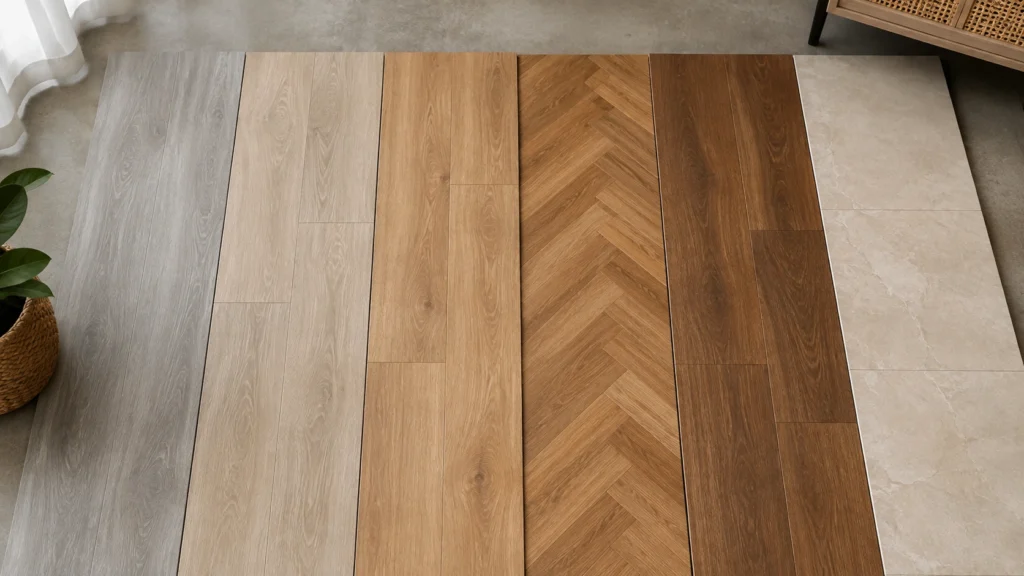
Protect the surface with furniture pads and avoid dragging heavy items. Singapore humidity makes moisture control especially useful.
How do you maintain parquet flooring?
Dust regularly, use little moisture and protect the wood from scratches and spills.
Engineered Wood Care
Remove dust with a soft mop or suitable vacuum. Use approved cleaning products and avoid soaking the floor.
Clean spills quickly and use furniture pads to reduce surface marks.
How do you clean engineered wood flooring?
Remove dirt first, use a suitable wood-floor cleaner and keep moisture low.
Tile Floor Maintenance
Sweep or vacuum before mopping. Kitchens and bathrooms may need more frequent floor cleaning.
Give grout lines extra attention because dirt and stains can collect there.
How do you maintain tile flooring?
Sweep, mop, clean grout when needed and remove floor stains quickly.
Flooring Types Compared: Cleaning and Maintenance Needs
Different flooring materials respond differently to water, dirt and daily use. This quick comparison makes it easier to choose the right cleaning method and avoid common maintenance mistakes.
| Flooring Type | Cleaning Method | Water Tolerance | Main Maintenance Issue | Best Care Tip |
| Vinyl | Sweep, vacuum, damp mop | Good | Scratches and surface wear | Remove grit before mopping |
| SPC | Vacuum, sweep, light damp mop | Good | Joints and excess moisture | Wipe spills quickly |
| Laminate | Dry mop, light damp mop | Low | Water around seams | Keep moisture to a minimum |
| Parquet | Soft mop, gentle cleaning | Low | Moisture and scratches | Use minimal water |
| Engineered Wood | Vacuum, gentle damp cleaning | Low | Water and finish damage | Use suitable wood-floor cleaner |
| Tiles | Sweep and mop | High | Dirty grout and stains | Clean grout regularly |
How Often Should You Clean Your Floors?
The right cleaning schedule depends on the flooring material and how much use the room gets. Kitchens, entrances and living rooms may need more frequent care than bedrooms or low-traffic spaces.
Daily Floor Care
Sweep or vacuum areas where dust and grit collect. Clean food and drink spills as soon as they happen, and remove dirt brought in near entrances.
- Sweep or vacuum busy areas
- Clean spills immediately
- Remove entrance dirt
Weekly Floor Cleaning
Give the floor a more thorough clean once a week. Use a suitable damp mop and pay attention to corners and high-traffic areas.
- Damp mop where suitable
- Clean corners and edges
- Check busy areas for stains or marks
Monthly Floor Maintenance
Use the monthly routine to check the floor, not just clean it. Move light furniture safely and look for scratches, stains, loose sections and damaged joints.
- Clean under furniture
- Check for floor scratches
- Inspect edges and joints
- Look for stubborn floor stains
- Check furniture protection pads
How often should you clean your floors?
Most homes benefit from regular dust removal, weekly cleaning and a monthly condition check. High-traffic areas may need more frequent care.
How Singapore’s Humid Climate Affects Flooring
Singapore’s tropical climate brings high humidity, frequent rain and plenty of moisture into daily home life. Wet shoes, damp floors near entrances and water brought in during rainy weather can all affect flooring if they are left unattended.
Wood flooring needs the most care with moisture. Parquet and engineered wood can be affected by excess water, while laminate also needs careful cleaning around its seams. Wipe spills quickly and avoid leaving wet cleaning water on these surfaces.
Vinyl and SPC are easier to manage, but they still benefit from good moisture control. Water around edges and joints should be removed rather than left sitting.
Good ventilation can also help keep indoor spaces comfortable. Use entrance mats, wipe wet footwear and dry damp areas promptly.
How does humidity affect flooring?
High humidity and excess moisture can affect moisture-sensitive flooring, especially wood-based materials. Regular cleaning, quick spill removal, ventilation and careful use of water can reduce common moisture-related problems.
How to Prevent Floor Scratches, Stains and Water Damage
Daily habits can prevent many common flooring problems. Dust, furniture movement, food spills and standing water may seem minor, but repeated exposure can leave visible damage over time.
Preventing Floor Scratches
Fine grit can scratch flooring when it gets trapped under shoes or furniture. Sweep or vacuum regularly, especially in entrances and other busy areas.
Use felt pads under chairs, tables and other furniture. Lift heavy items when moving them instead of dragging them across the floor.
High-traffic areas may need more frequent floor cleaning to keep grit under control.
Preventing Floor Stains
Clean spills as soon as they happen. Coffee, juice, sauces, food and cooking oil can leave marks when they sit on the surface for too long.
Kitchen floors deserve extra attention because grease and food particles are common sources of floor stains. Keep a soft cloth nearby for quick spill removal.
Preventing Water Damage
Avoid leaving standing water on the floor. When mopping, use only the amount of moisture suitable for your flooring material.
Check edges, seams and joints after cleaning, especially on laminate, parquet and engineered wood. Wet entrances also need attention during rainy weather.
Simple floor protection habits such as entrance mats, quick drying and careful furniture movement can reduce everyday damage.
Common Flooring Maintenance Mistakes to Avoid
Small cleaning mistakes can slowly damage flooring. The problem is often not the cleaning itself, but using the wrong method for the material.
- Using too much water: A soaking-wet mop can leave moisture around seams, edges and joints. Use only the amount of water suitable for your flooring.
- Choosing the wrong cleaning products: A cleaner made for tiles may not be suitable for laminate, vinyl or wood flooring. Check the product label before use.
- Using abrasive tools: Rough brushes and harsh scrubbers can leave fine marks on the surface. Use soft cleaning tools instead.
- Ignoring spills: Coffee, oil, sauces and drinks can become harder to remove when left for too long. Wipe them as soon as possible.
Daily, Weekly and Monthly Floor Maintenance Checklist
A clear floor maintenance checklist makes it easier to stay on top of everyday cleaning and regular floor care. The frequency can be adjusted for homes with children, pets or heavy foot traffic.
| Maintenance Task | Daily Care | Weekly Care | Monthly Care |
| Sweep / Vacuum | Remove dust and grit | Clean all rooms | Check hidden areas |
| Spill Removal | Clean immediately | Check for old marks | Treat stubborn stains |
| Damp Mopping | Only when needed | Mop suitable floors | Check hard-to-reach areas |
| Furniture Protection | — | Check moving chairs | Replace worn felt pads |
| Floor Inspection | — | Notice visible marks | Check scratches, joints and edges |
| Deep Cleaning | — | High-use areas if needed | Clean areas missed during routine care |
How to Remove Common Floor Stains
Floor stains are easier to deal with when cleaned early. The safest method depends on the flooring material, so test any unfamiliar cleaner on a small hidden area first.
- Coffee: Blot the spill with a soft cloth, then clean the area with a suitable floor cleaner. Avoid rubbing aggressively.
- Food: Remove solid food first, then wipe the mark with a damp cloth. For dried residue, use a cleaner approved for the flooring.
- Oil: Absorb fresh oil with a clean cloth before cleaning the area. Avoid spreading the grease across a larger section of the floor.
- Mud: Let heavy mud dry if needed, then remove the loose dirt with a soft brush or vacuum. Finish with suitable damp cleaning.
- Water marks: Wipe the area dry and check why moisture is collecting there. On wood and laminate, avoid leaving water sitting on the surface.
- Pet-related stains: Remove the mess promptly, blot moisture and use a flooring-safe cleaner to clean the affected area. Avoid strong chemicals unless the flooring manufacturer approves them.
How do you remove stains from flooring?
Remove the stain as soon as possible, use a suitable cleaner for the flooring material and avoid abrasive tools or excessive water. Persistent marks may need specialist cleaning.
Flooring Maintenance for HDB, BTO and Condo Homes
Floor care can change slightly depending on the home layout and how each space is used. HDB flooring, BTO flooring and condo flooring may all face different levels of foot traffic, furniture movement and moisture.
HDB Flooring Maintenance
In HDB flats, living rooms and entrances often collect the most dust and grit. Vacuum or sweep these areas regularly. Kitchen floors may need quicker spill cleaning, while bedrooms usually need lighter routine care.
BTO Flooring Care
New BTO homes need careful handling during furniture installation and moving. Avoid dragging sofas, tables or appliances across new flooring. Use furniture pads once everything is in place.
Protect the floor during other home work as well, especially when tools, boxes or heavy items are being moved.
Condo Flooring Maintenance
Condo homes can have busy family areas, open-plan living spaces and larger entrances. Give high-traffic sections more frequent cleaning.
Balcony and entrance areas also need attention during rainy weather. Wipe moisture from footwear and clean dirt before it reaches the indoor flooring.
For Singapore homes, the best floor care routine depends on the material, room usage and amount of daily traffic.
Simple Flooring Care Routine for Singapore Homes
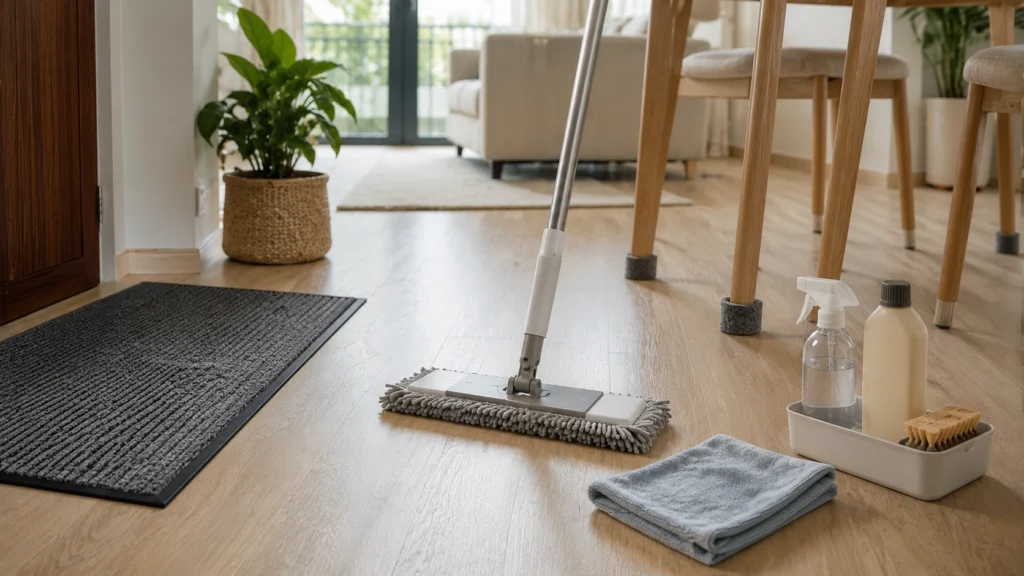
A basic routine can keep everyday floor care manageable. Adjust it according to the flooring material, room usage and foot traffic.
Every Day
- Remove dust, grit and dirt from busy areas.
- Clean food, drinks and water spills quickly.
- Check entrances for rainwater or wet footwear.
Every Week
- Vacuum or sweep the full floor area.
- Use suitable damp cleaning where required.
- Pay extra attention to kitchens, entrances and high-traffic areas.
Every Month
- Inspect floors for scratches, stains, loose sections and damaged joints.
- Clean under furniture and other less-accessible areas.
- Check furniture pads and replace worn ones.
- Carry out deeper cleaning where the flooring material allows it.
Daily dirt and spill removal, weekly floor cleaning, and monthly inspection can form a simple flooring care routine for most Singapore homes.
Frequently Asked Questions About Flooring Maintenance
1. What Is the Best Way to Maintain Flooring?
Sweep or vacuum regularly, clean spills quickly and use the right cleaning method for your flooring type. Control moisture and protect floors from scratches caused by furniture and grit.
2. How Often Should You Clean and Maintain Your Floors?
Remove dust and spills daily, carry out regular floor cleaning each week, and inspect the flooring monthly. High-traffic areas may need more frequent care.
3. How Do You Maintain Flooring in Singapore?
Use entrance mats, remove wet footwear and control moisture during Singapore’s humid and rainy weather. Choose cleaning methods that suit your flooring material.
4. How Do You Prevent Scratches, Stains and Water Damage on Floors?
Use furniture pads, avoid dragging heavy items and remove grit regularly to reduce scratches. Clean spills quickly and never leave standing water on the floor.
5. What Flooring Is Easiest to Maintain in Singapore Homes?
Vinyl, SPC and tiles are generally easier to clean and maintain than moisture-sensitive wood flooring. The best option also depends on room use, traffic and cleaning habits.
Keep Your Floors Clean and Protected
Good flooring care comes down to simple habits done regularly. Remove dust and grit, clean spills quickly, control moisture and use cleaning products that suit the flooring material.
Vinyl, SPC, laminate, parquet, engineered wood and tiles all have different care needs. A routine that works well for tiles may not be suitable for wood or laminate.
For Singapore homes, extra attention to humidity, rainy weather, wet entrances and high-traffic areas can help reduce everyday floor problems. Regular checks also make it easier to spot scratches, stains, loose sections or moisture damage before they become bigger repairs.